
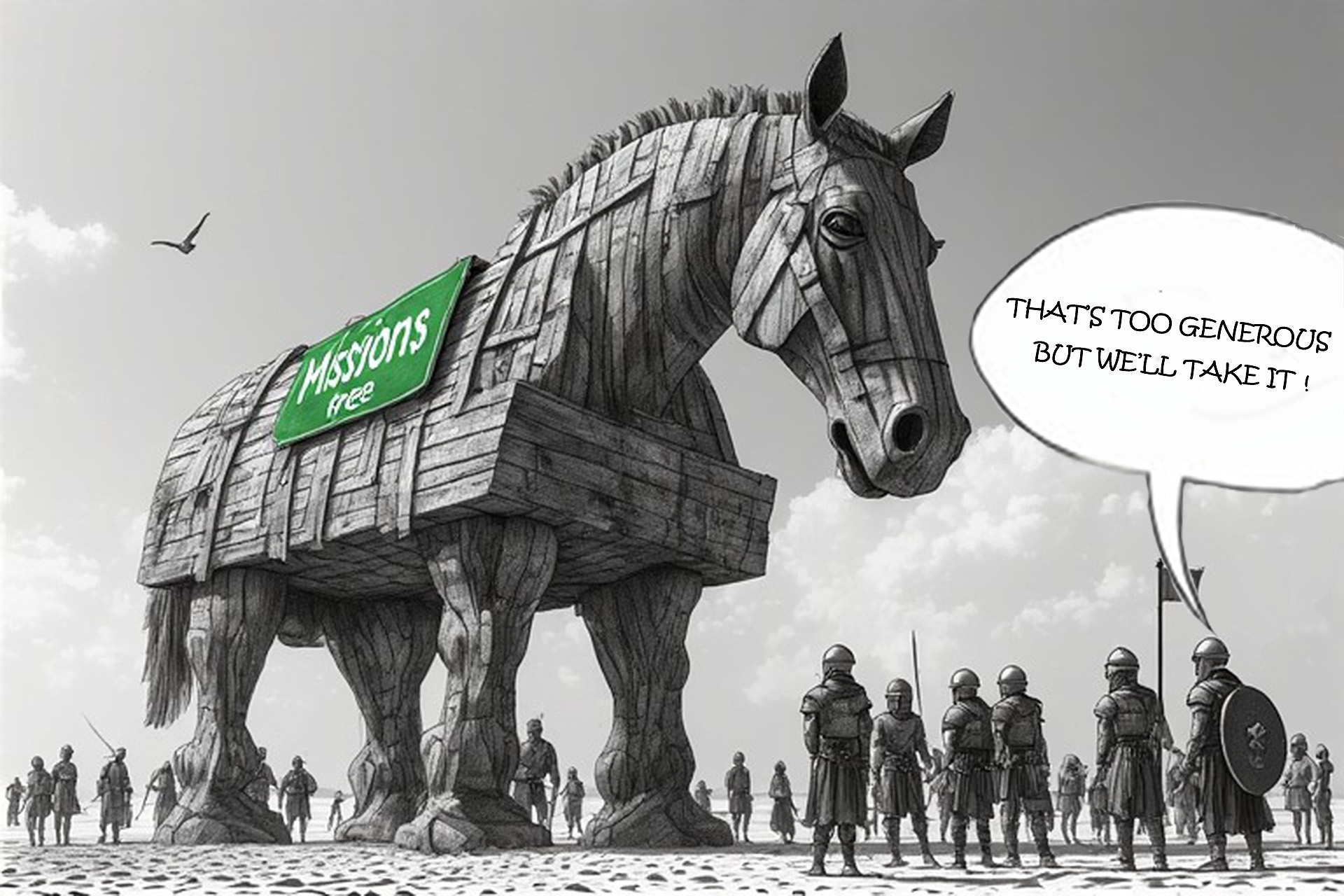
Diplomacy itself is a cultural phenomenon, since it involves skills that are not innate but must be acquired and cultivated. That is why it is only natural for culture to serve as a vehicle for diplomacy, allowing the arts, traditions, values, and heritage of a national culture to cross borders to encounter otherness and foster mutual understanding. On a psychological level, this means giving and accepting gifts without feeling a sense of loss, and this anxious desire likely explains the skepticism toward the term “cultural diplomacy” in recent decades.
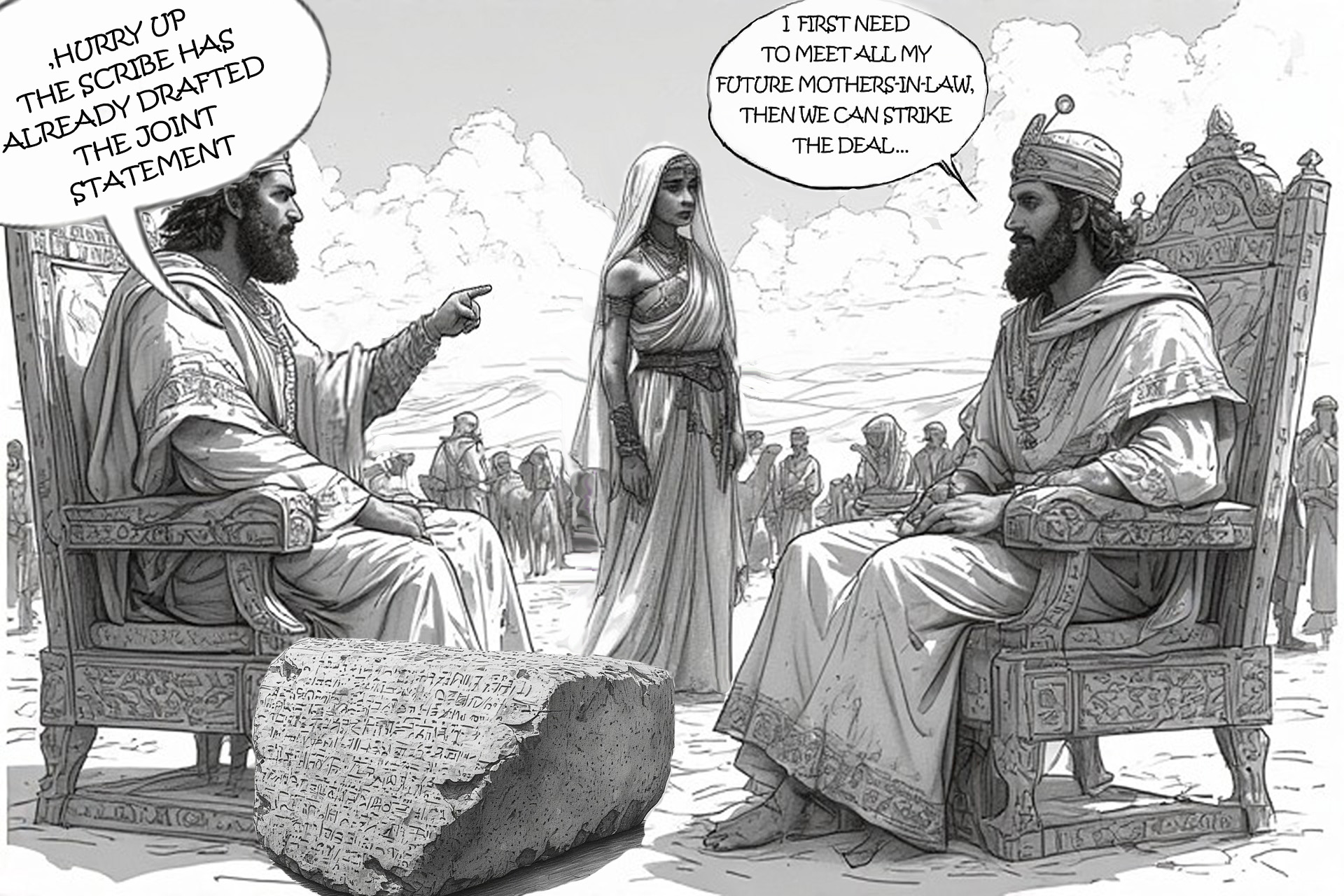
From the earliest times, the elements of cultural diplomacy have been evident, albeit in an unsystematic way, in the exchange practices between nascent states: trade, intermarriage, and the spread of religious ideas — all of which involved linguistic contact, translation, and, later, literacy.
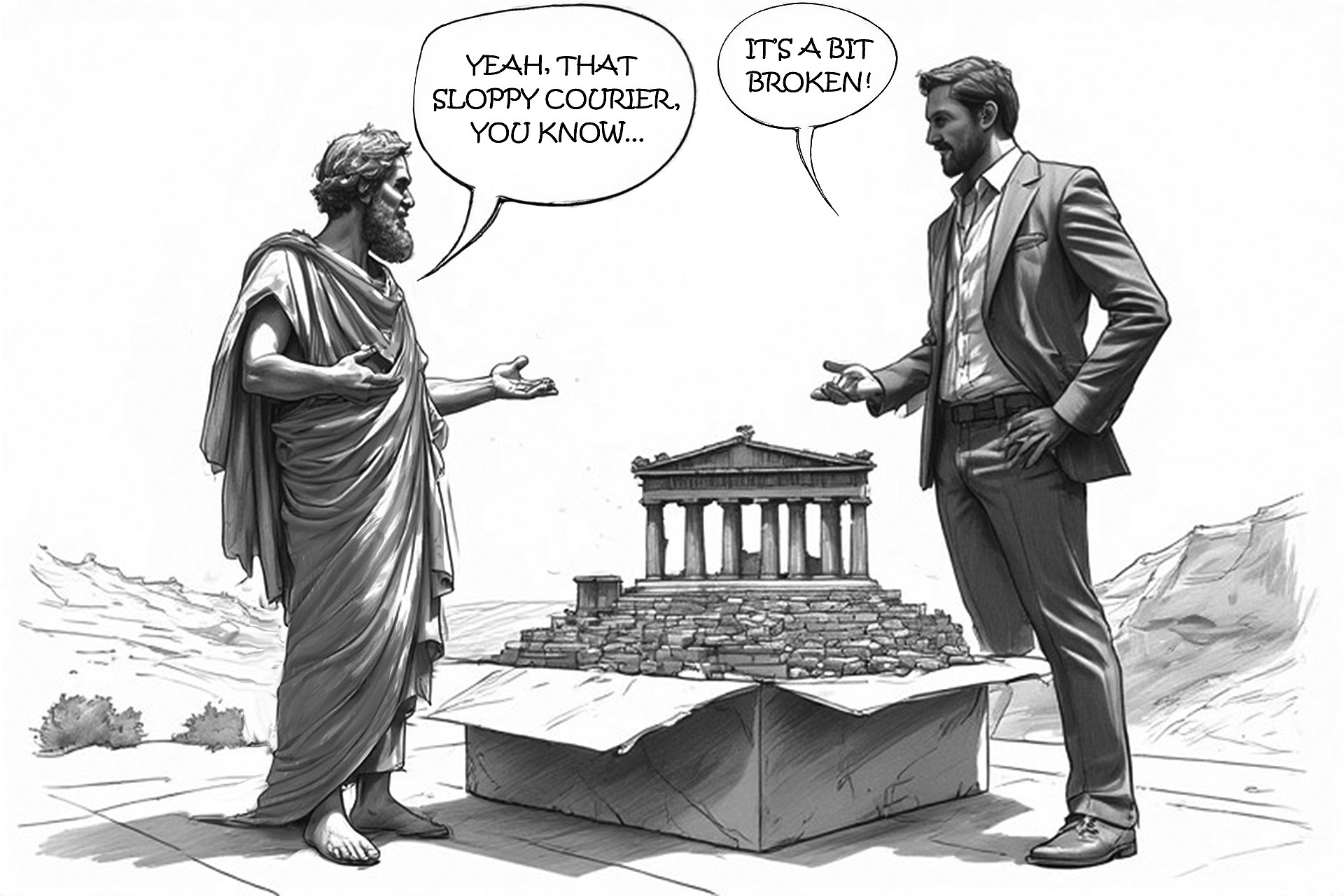
Any significant cultural achievement becomes, over time, a heritage for future generations, not only strengthening their identity but also empowering them to engage in global politics and to be a distinct voice in the choir of voices that shape the major trends in human evolution: the richer the heritage, the stronger the voice.
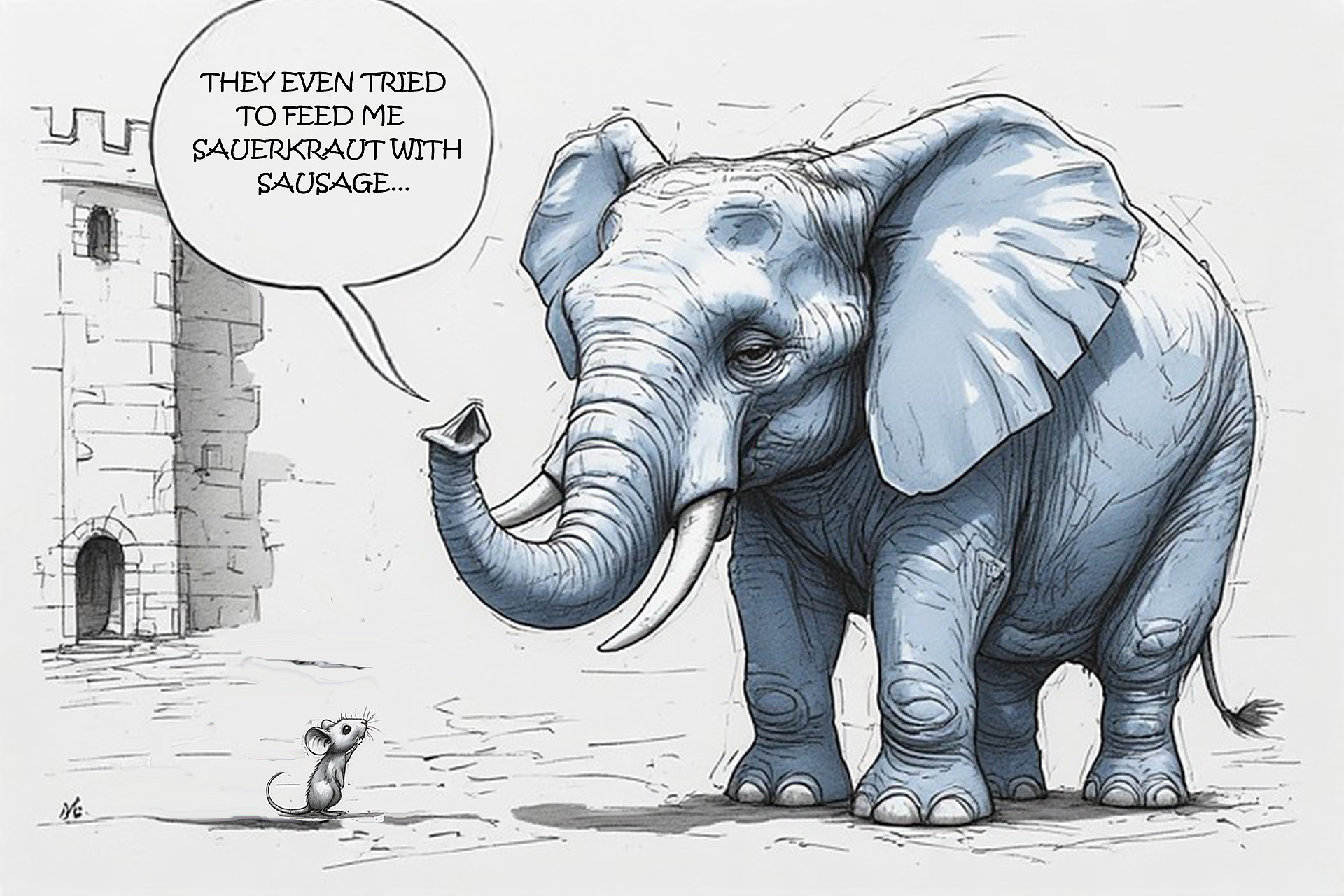
There are hundreds of examples that attest to the evolution of cultural diplomacy, but only a few political gestures of great historical significance can best illustrate it. In 801 AD, Harun al-Rashid, the Caliph of Baghdad, sent envoys laden with precious gifts—including gold, manuscripts and… an elephant—to the court of Charlemagne, Emperor of the Holy Roman Empire.
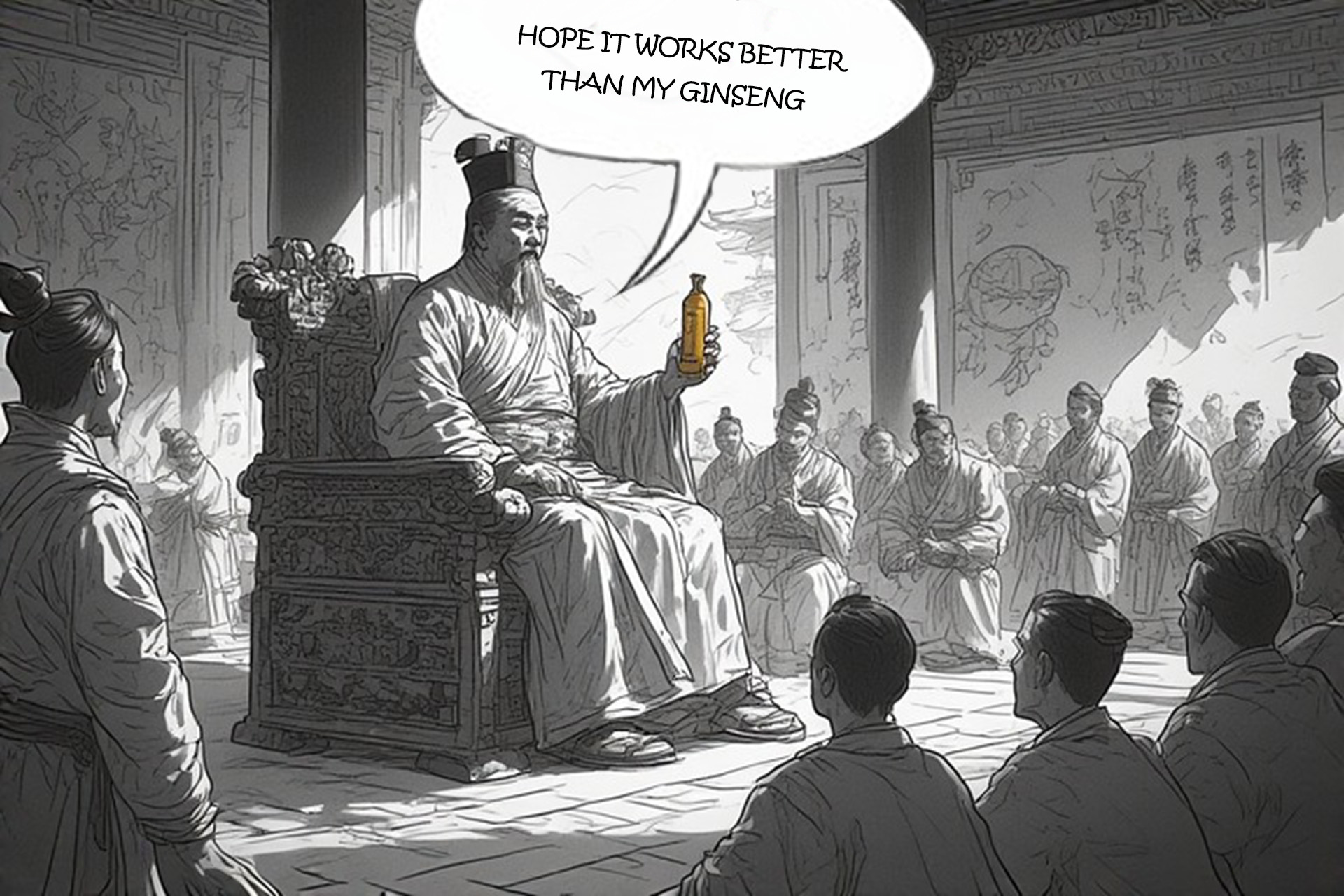
Over time, long-distance travelers have carried with them not only valuable goods, but also ideas and cultural representations. For centuries, the Silk Road was not merely a trade route, but the preferred channel for such an exchange of ideas. It is said that when Marco Polo first appeared before Emperor Kublai Khan, he presented him, among other things, with a small bottle of holy oil from Jerusalem, thus introducing him to the symbols of Christianity.
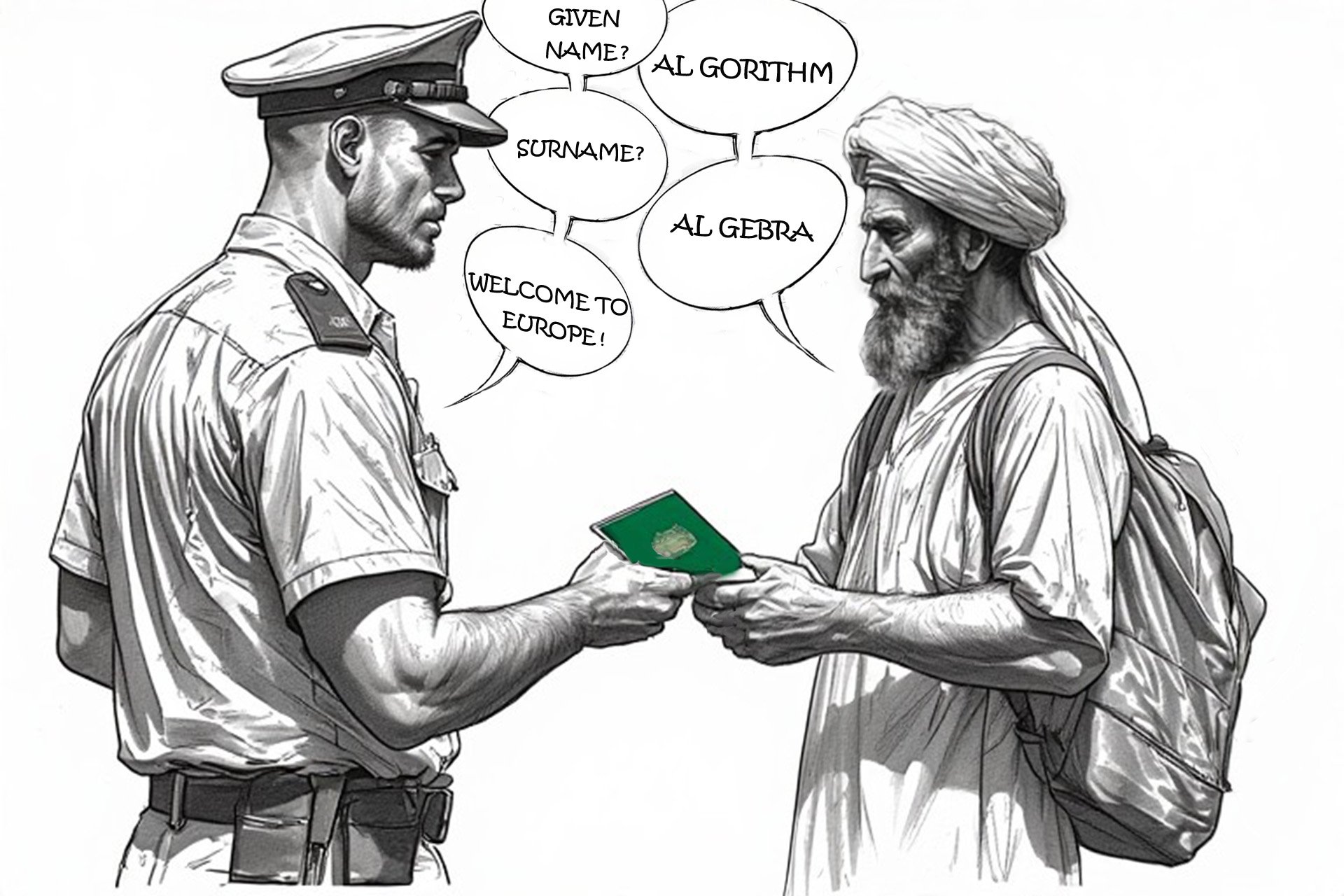
Advanced knowledge and science are universal languages, requiring almost no translation, thus spreading easily. Cultural differences in taste need not prevent cooperation on standards for peaceful coexistence, mutual recognition, and tolerance. In Europe, progressive ideas supporting this cooperation emerged over time: cosmopolitanism began in ancient Greece (the term appears in the 4th century BCE with Diogenes of Sinope, who called himself a “citizen of the world”) and resurfaced in the Enlightenment, emphasizing universal rights and global citizenship. The “Republic of Letters” of the 17th–18th centuries further advanced these ideals through cross-border exchanges among scholars, writers, and philosophers.
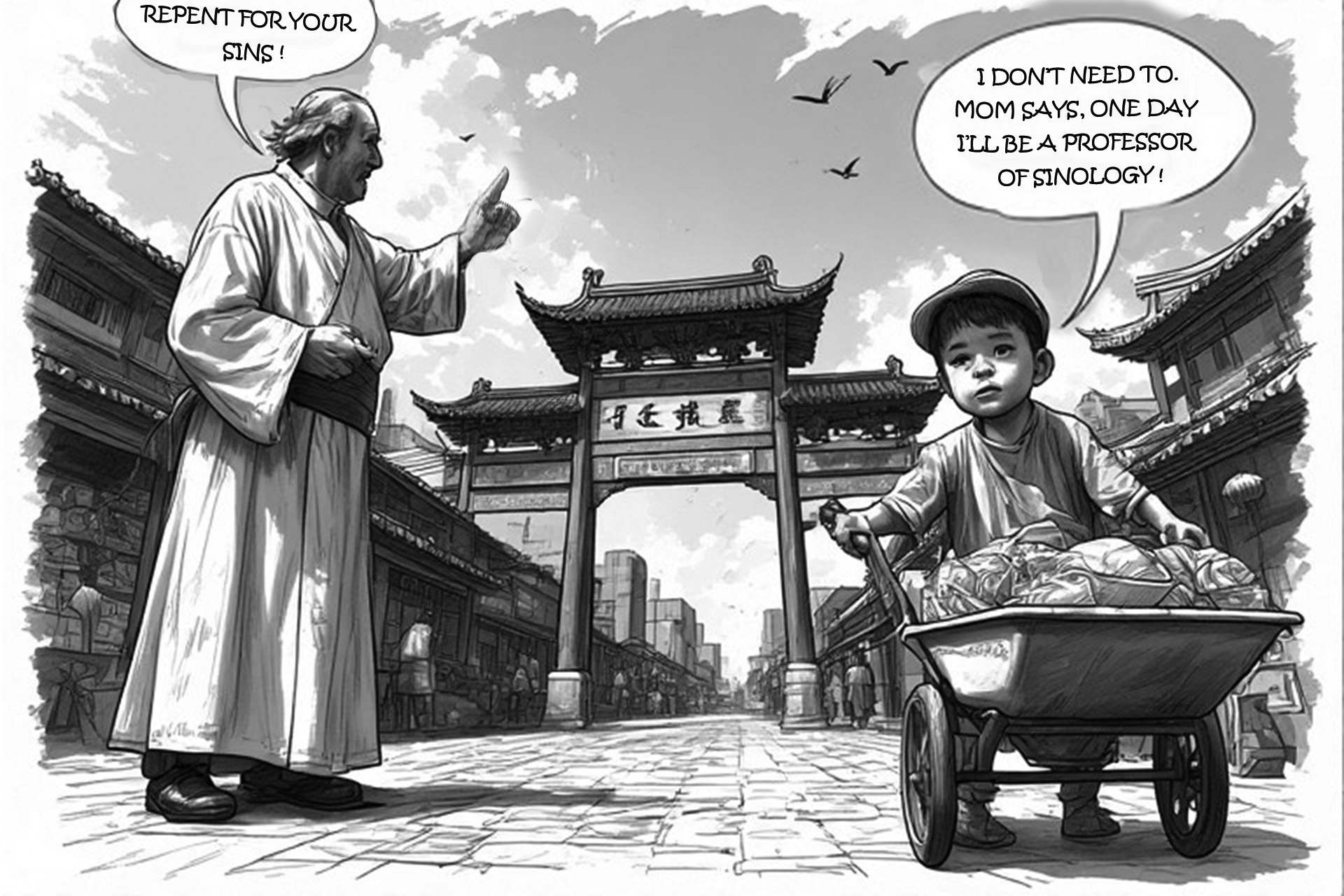
By establishing communities in the diaspora, a culture can make a significant contribution to cultural exchange through what might be called informal cultural diplomacy. The same applies to all minorities around the world, provided there is the will of all involved sociopolitical actors to promote inclusion and dialogue, so that stereotypes, prejudices, mistrust and misunderstandings can be overcome. Binondo in Manila, Philippines, established in 1594 by Spanish colonial officials, is recognized as the world's oldest Chinatown and has endured to this day.

Sports are a powerful tool of cultural diplomacy and soft power because they draw mass audiences, major media attention, and significant investment. At times, athletes have taken part in exchange programs or diplomatic missions. The Olympic Games, once tied to religious festivals, now unite nearly all nations; the success of Pierre de Coubertin’s Olympic Movement (1894) owes much to its pacifist ethos. Among sports, soccer (European football) has the widest reach and most readily enables person-to-person interaction.

France was the first to institutionalize cultural diplomacy by translating symbolic gestures into public policy. The Alliance Française was founded in Paris in 1883, and the first Institut français opened in Florence in 1907; the model soon spread (Athens, Barcelona, etc.). The interwar period was a turning point: the French Association for Artistic Expansion and Exchange (AFEEA) was founded in 1922 and recognized as a public utility in 1923. That same year, the idea of a cultural network (academics, curators, conservatory directors, playwrights, critics) emerged and soon became essential to successful projects.
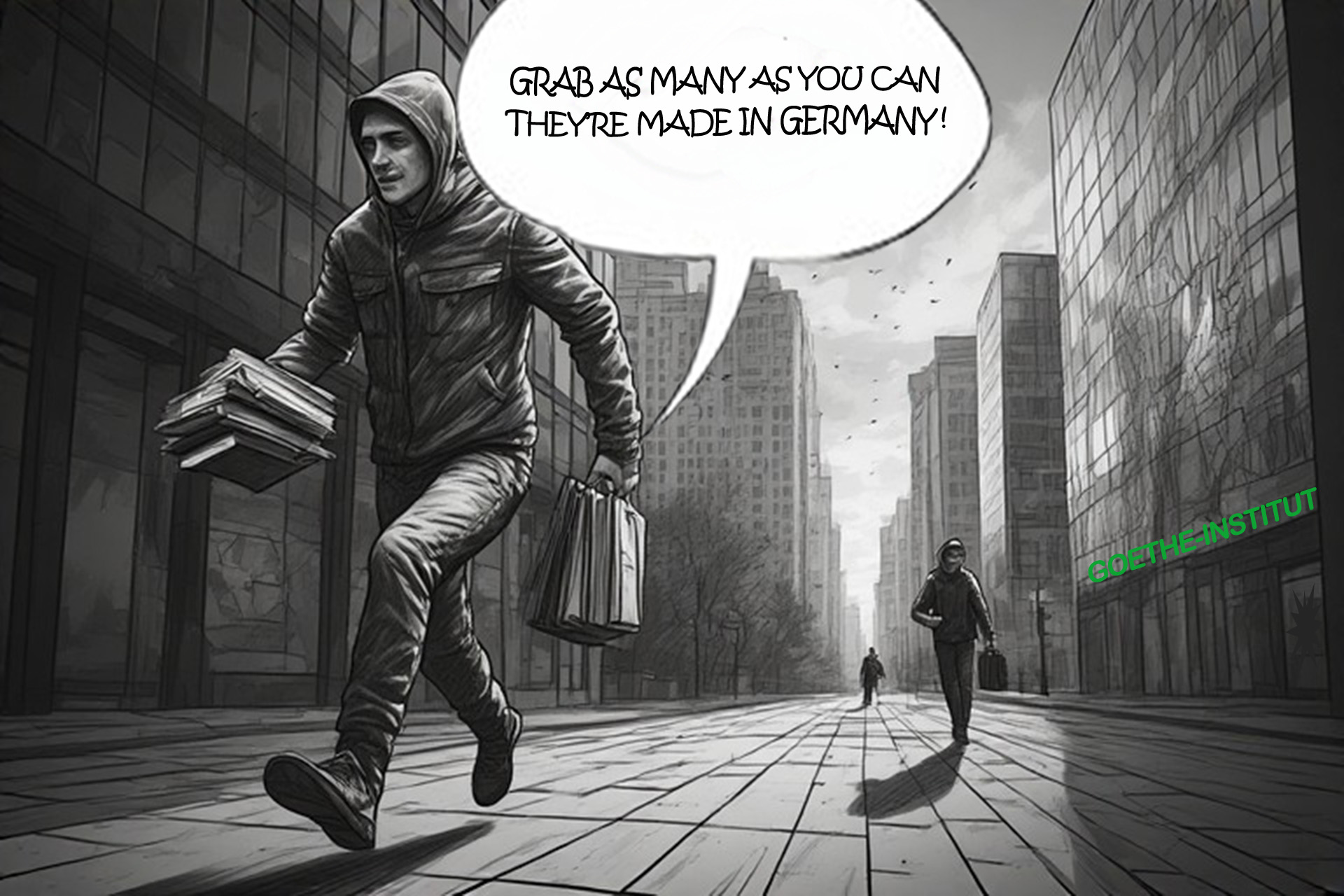
Building on the French model, more and more countries have created dedicated cultural-diplomacy organizations: Istituto Italiano di Cultura (1922), British Council (1934), Instytut Polski (1939), Goethe-Institut (1951), Japan Foundation (1972), Instituto Cervantes (1991), Romanian Cultural Institute (2003), Confucius Institute (China, 2004), Korean Cultural Centers (South Korea, 2009), and many others—each aiming to promote and showcase its national culture as effectively as possible.
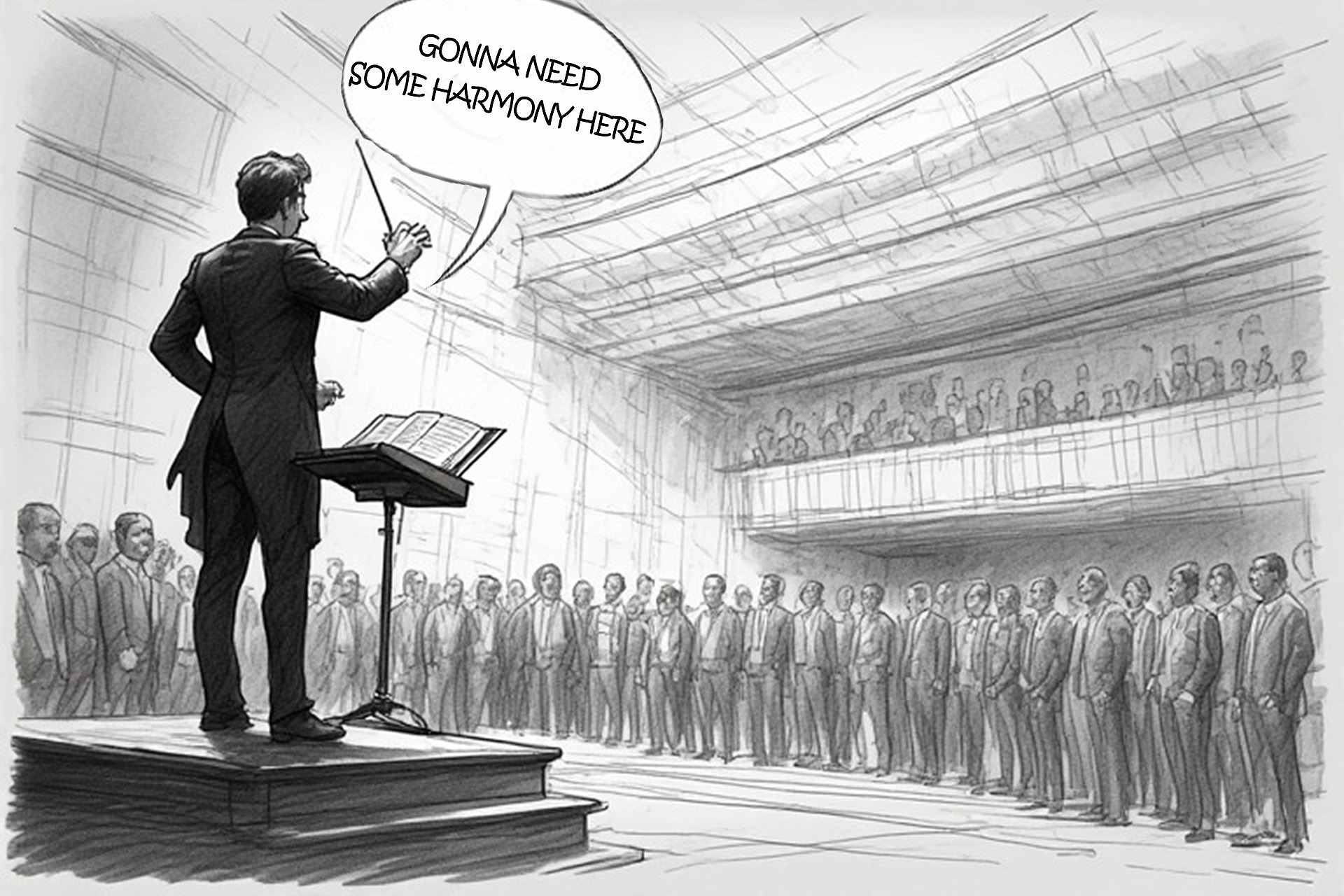
A major step in making cultural diplomacy a lasting feature of international relations was UNESCO’s founding in 1946. It launched the development of shared principles for protecting cultural heritage, reinforced by treaties and joint declarations among member states that shape how cultural assets are created, preserved, and circulated.
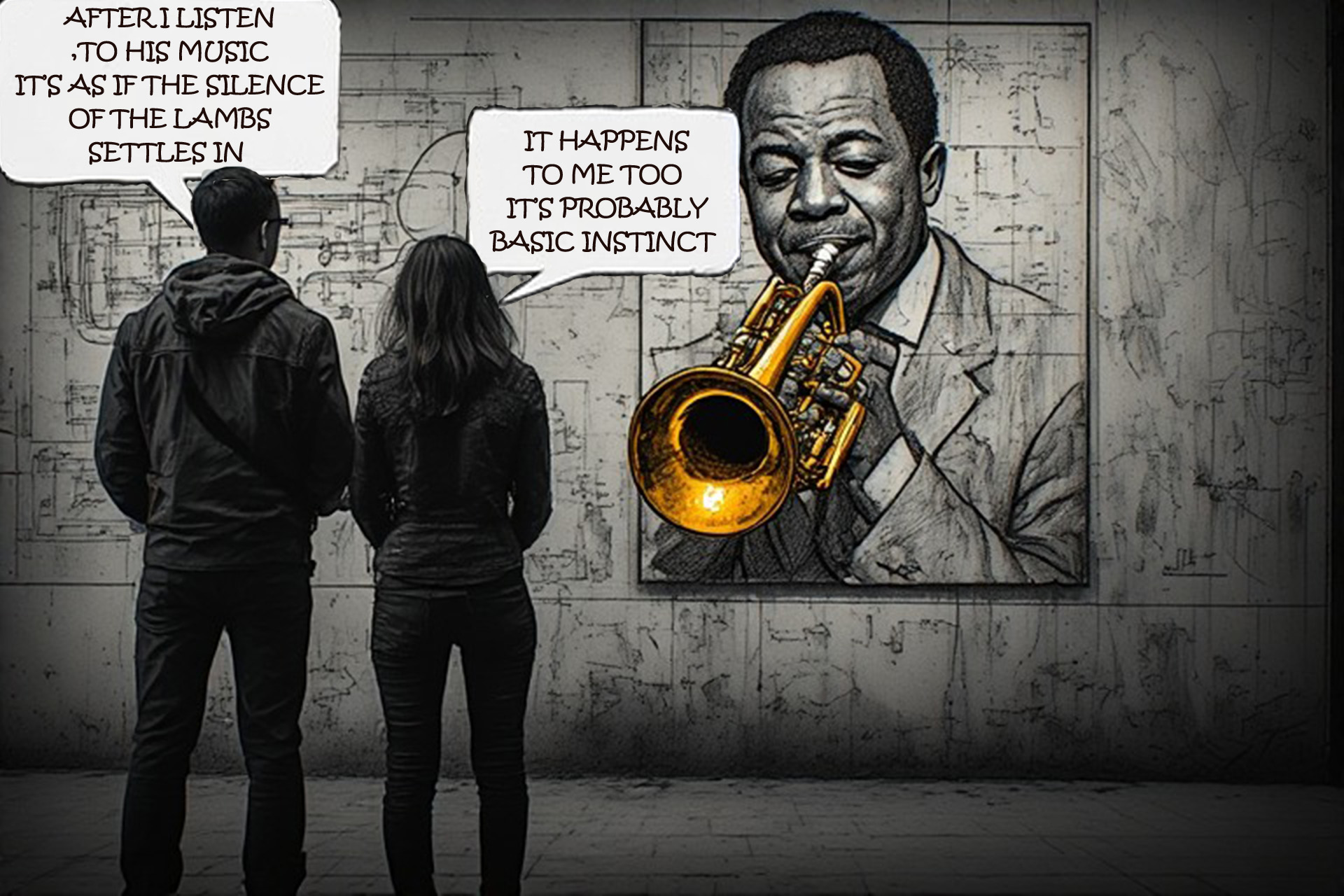
After running an effective cultural-diplomacy effort during the Cold War, the United States reassessed its approach in the early 1990s, arguing that public funds were better directed elsewhere, and it scaled back or suspended some federally funded cultural programs abroad. The assumption was that private institutions (e.g., the Smithsonian Institution, the Rockefeller Foundation) and non-governmental cultural forces (Hollywood, pop music, global media) could project U.S. influence without formal diplomacy. However, major educational exchanges such as Fulbright remain funded by the U.S. Department of State.
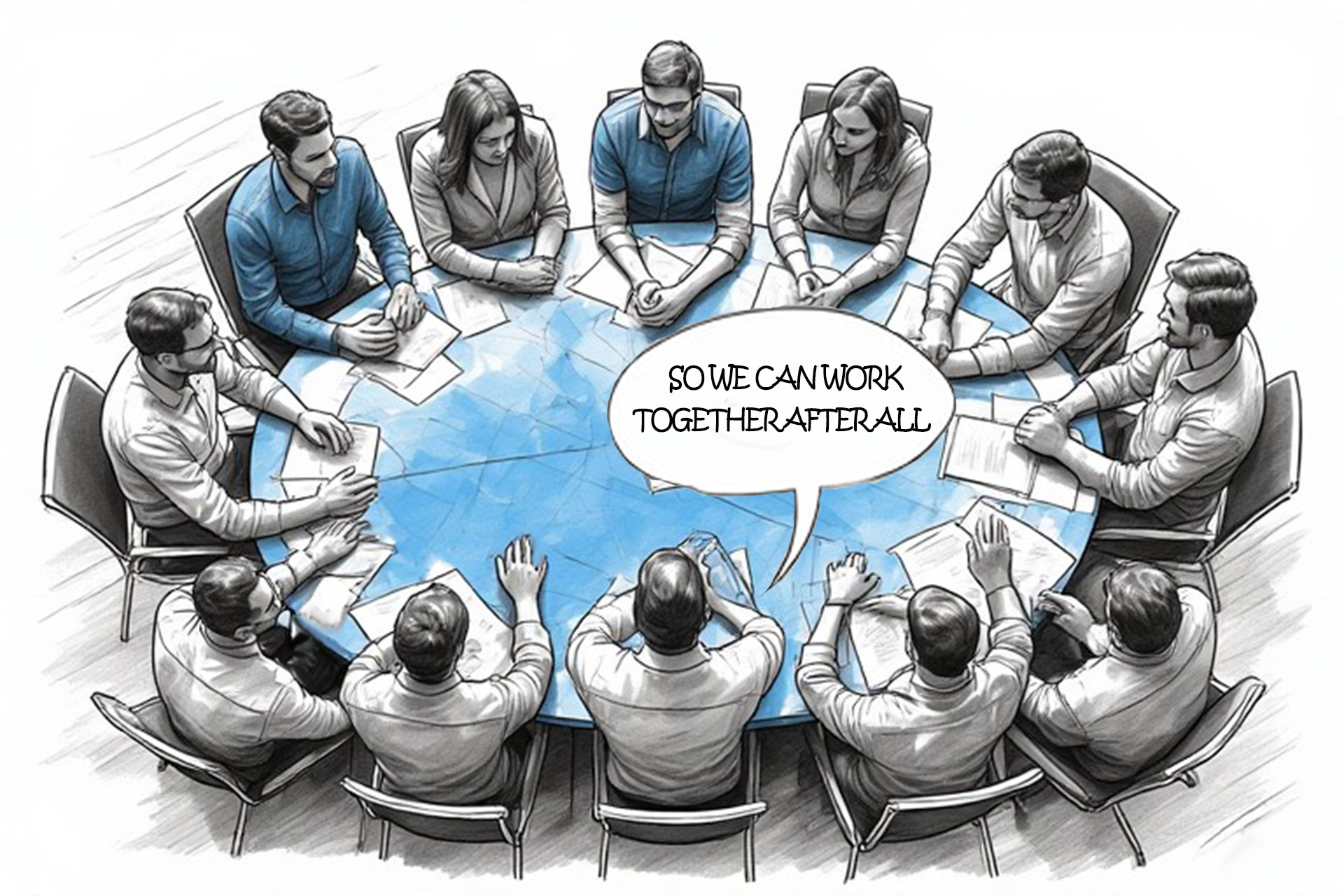
EUNIC (European Union National Institutes for Culture), founded in 2006, brings together Europe’s national cultural institutes to promote cultural diversity, support cultural diplomacy, and deliver joint projects across countries. Over the past decades, it has run initiatives that foster exchange, mutual understanding, and European identity, including European Literature Nights, Europe in My Region, European Multilingual Week, and the European Union Prize for Literature.
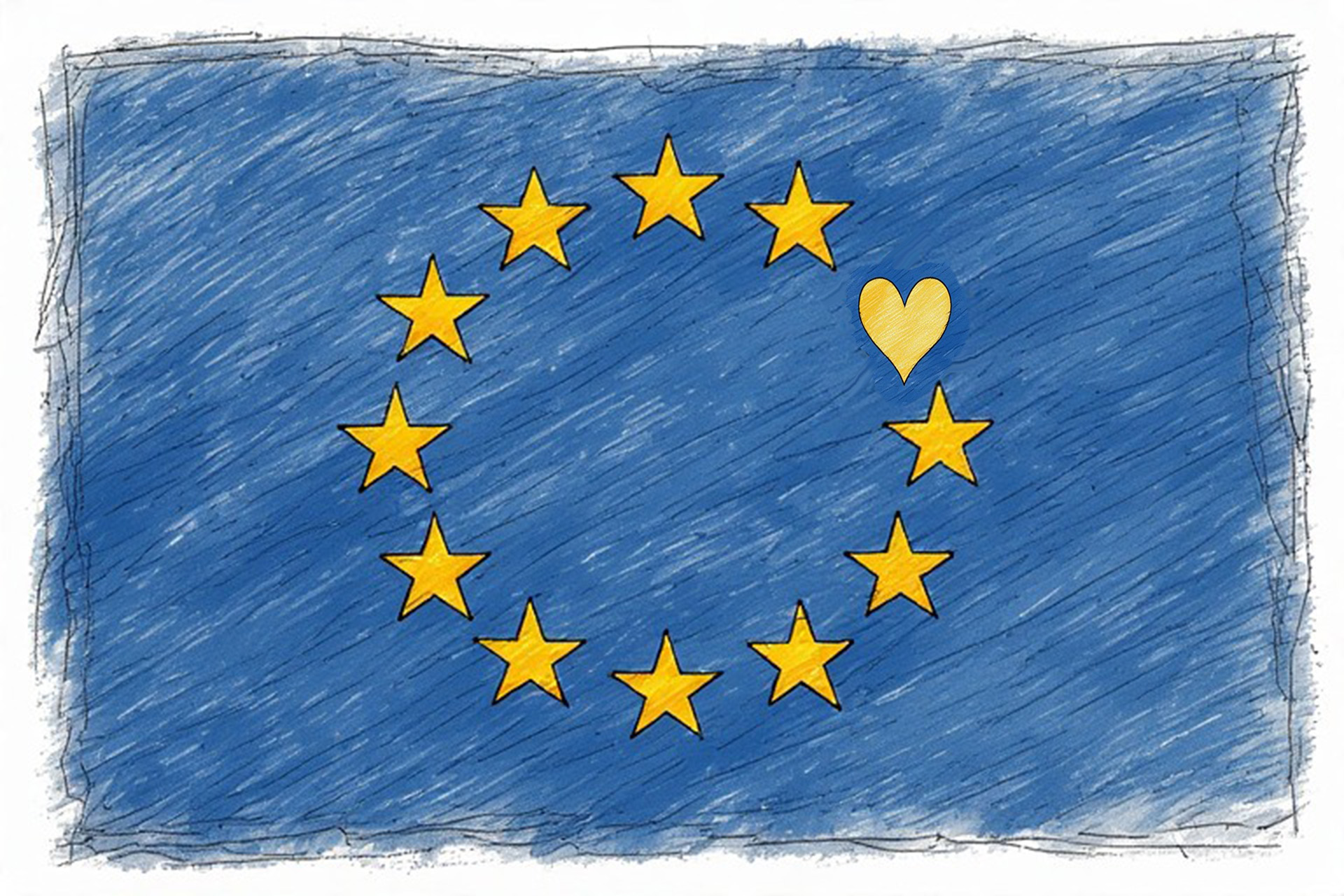
In a multipolar world, as the future appears to be shaping up, some actors may substitute cultural diplomacy with propaganda, while increasingly aggressive information channels can blur the line between the two. A more unified European approach can therefore deepen cohesion, strengthen Europe’s global standing, and advance authentic European values. In the European project, there should be no small nations, just as in cultural diplomacy no one really holds a losing hand. Make the EU a love mark – this should be the motto for the immediate future.